Returning Your Leased Vehicle: A Checklist
Understanding Your Lease Agreement: Key Information and Timelines
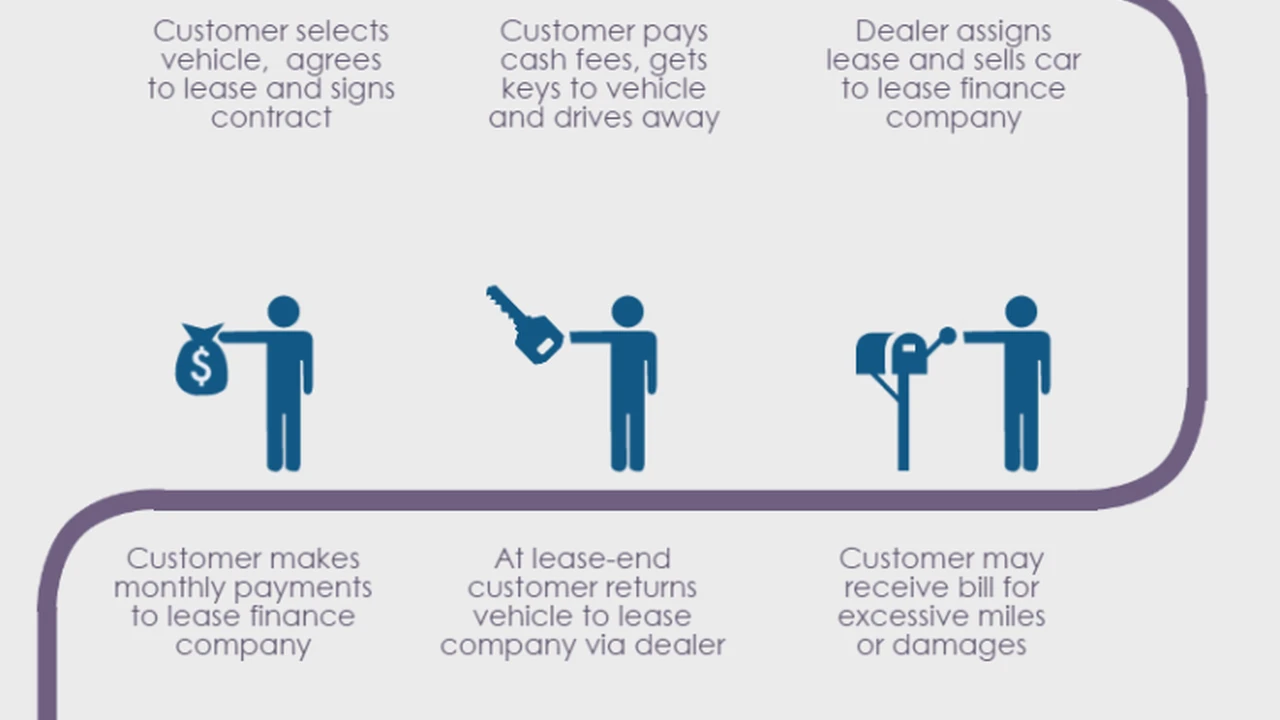
Okay, so you're nearing the end of your car lease. First things first, dig out that lease agreement! It's probably buried somewhere in your glove compartment or tucked away in a filing cabinet. Seriously, find it. This document is your bible for the return process. Pay close attention to:
- The Lease End Date: Obvious, right? But double-check it. Missing the date can result in penalties.
- Mileage Allowance: How many miles were you allowed per year? Track your mileage now to avoid overage charges. Seriously, don't wait until the last minute.
- Wear and Tear Guidelines: This is crucial. Every lease agreement outlines what's considered "normal" wear and tear versus excessive damage. We'll delve into this more later.
- Return Location: Can you return the car to any dealership of that brand, or do you have to go back to the originating dealer? Sometimes there are restrictions.
- Purchase Option: Decide if you want to buy the car at the end of the lease. The agreement will specify the purchase price.
The Pre-Return Inspection: Identifying Potential Issues and Avoiding Surprise Charges
Don't wait for the dealership to tell you what's wrong. Schedule a pre-return inspection. Many dealerships offer this service, or you can go to a trusted mechanic. The goal is to identify potential issues that could result in charges. Common things they look for include:
- Dents and Scratches: Small scratches are usually okay, but anything larger than a credit card or deeper than a fingernail might be a problem.
- Tire Condition: Are the tires worn below the acceptable tread depth? Check the wear bars.
- Windshield Chips and Cracks: Even a small chip can lead to a costly windshield replacement.
- Interior Stains and Damage: Excessive wear and tear on the seats, carpets, or dashboard can incur charges.
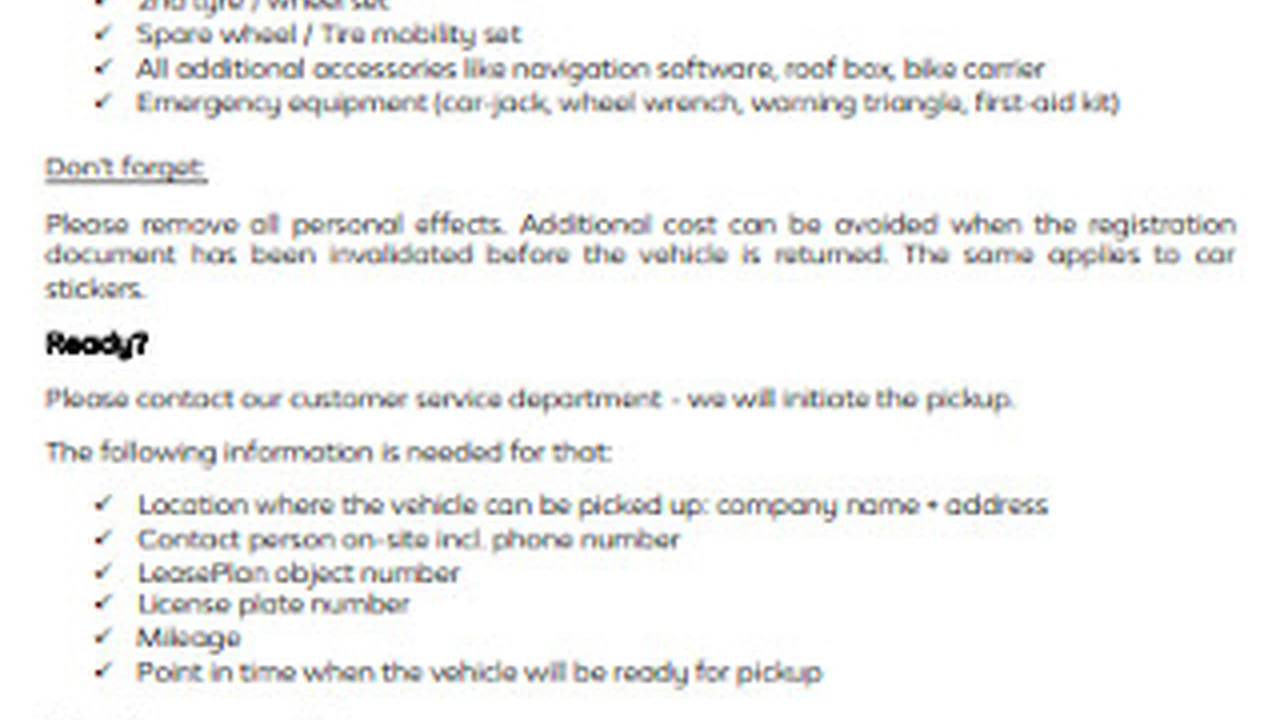
- Missing Equipment: Make sure you have all the original equipment that came with the car, like floor mats, spare tire, and key fobs.
Addressing Wear and Tear: Repairing Damage and Minimizing Costs
So, you've identified some wear and tear issues. Now what? You have a few options:
- Repair the Damage Yourself: For minor scratches, you might be able to use a touch-up paint kit. For small dents, a paintless dent repair (PDR) service can be surprisingly effective.
- Go to a Professional Repair Shop: Get quotes from multiple shops to compare prices. Make sure they specialize in the type of repair you need.
- Accept the Charges: Sometimes, the cost of repairing the damage might be higher than the charges you'd incur from the dealership. Do the math!
Cleaning and Detailing Your Leased Vehicle: Presenting a Clean Car and Avoiding Cleaning Fees
A clean car makes a good impression. Thoroughly clean the interior and exterior. This includes:
- Washing and Waxing the Exterior: Remove dirt, grime, and road salt.
- Cleaning the Interior: Vacuum the carpets, clean the seats, and wipe down the dashboard.
- Cleaning the Windows: Streaky windows are a pet peeve for inspectors.
- Removing Personal Belongings: Don't leave anything behind!
Gathering Necessary Documents: Ensuring a Smooth Return Process
Have all your paperwork in order. You'll need:
- The Lease Agreement: Again, this is essential.
- The Vehicle Registration: Proof of ownership.
- Your Driver's License: For identification.
- The Vehicle's Maintenance Records: Show that you've kept up with scheduled maintenance.
Scheduling the Vehicle Return: Making an Appointment and Confirming Details
Contact the dealership to schedule your return appointment. Confirm the following:
- Date and Time: Make sure it works for you.
- Return Location: Verify the correct address.
- Contact Person: Get the name and phone number of the person you'll be working with.
The Vehicle Inspection at the Dealership: Understanding the Process and Negotiating Charges
The dealership will inspect the car. They'll use a checklist similar to the one you used during your pre-return inspection. Be present during the inspection and ask questions. If they identify any damage, discuss the charges and try to negotiate. Remember, you have the right to challenge charges that you feel are unfair.
Negotiating Excess Wear and Tear Charges: Strategies for Reducing Costs
Don't just accept the first offer. Here are some negotiation tactics:
- Point out any discrepancies: If you disagree with the inspector's assessment, politely explain why.
- Ask for a detailed explanation of the charges: Understand how they arrived at the cost.
- Compare quotes from independent repair shops: Show them that you can get the repairs done for less.
- Remind them of your loyalty: If you're a repeat customer, mention it.
- Consider purchasing the car: If the charges are high, it might be cheaper to buy the car and then sell it.
Finalizing the Return Paperwork: Reviewing the Documents and Obtaining a Receipt
Carefully review all the paperwork before signing. Make sure everything is accurate. Get a copy of the signed documents and a receipt for the return. This is your proof that you returned the car.
After the Return: Monitoring Your Account and Addressing Any Remaining Issues
Keep an eye on your account for any remaining charges or fees. If you have any questions or concerns, contact the leasing company immediately.
Recommended Products for Lease Return Preparation: Ensuring a Smooth and Cost-Effective Process
To help you prepare your leased vehicle for return and potentially avoid costly charges, here are some recommended products and their uses:
Meguiar's Ultimate Compound: Scratch and Swirl Remover for Minor Paint Imperfections
Use Case: If your leased vehicle has minor scratches or swirl marks, Meguiar's Ultimate Compound can help remove them. This product is designed to gently buff away imperfections and restore the paint's shine.
Comparison: Compared to other scratch removers, Meguiar's Ultimate Compound is known for its user-friendliness and effectiveness on a variety of paint types. It's less abrasive than some professional-grade compounds, making it safer for DIY use.
Price: Approximately $15-$20 per bottle.
Chemical Guys InnerClean Interior Quick Detailer: Cleaning and Protecting Interior Surfaces
Use Case: Chemical Guys InnerClean is a versatile interior cleaner that can be used on dashboards, door panels, seats, and other interior surfaces. It helps remove dust, dirt, and fingerprints, leaving a clean and fresh finish.
Comparison: Compared to other interior cleaners, InnerClean is known for its pleasant scent and non-greasy formula. It also contains UV protectants to help prevent fading and cracking of interior surfaces.
Price: Approximately $10-$15 per bottle.
Armor All Tire Foam: Cleaning and Shining Tires
Use Case: Armor All Tire Foam is an easy-to-use product that cleans and shines tires in one step. Simply spray it on and let it dry for a clean, glossy finish.
Comparison: Compared to other tire shine products, Armor All Tire Foam is known for its convenience and long-lasting shine. It also helps protect tires from cracking and fading.
Price: Approximately $5-$10 per can.
Turtle Wax Headlight Lens Restorer Kit: Restoring Cloudy or Yellowed Headlights
Use Case: If your leased vehicle's headlights are cloudy or yellowed, the Turtle Wax Headlight Lens Restorer Kit can help restore their clarity. This kit includes everything you need to polish and protect your headlights, improving visibility and appearance.
Comparison: Compared to other headlight restoration kits, the Turtle Wax kit is known for its ease of use and effectiveness. It also includes a sealant to help protect the headlights from future damage.
Price: Approximately $20-$25 per kit.
WeatherTech Floor Mats: Protecting Interior Carpets from Stains and Wear
Use Case: Although it's too late to install these *before* the lease is up, consider them for your *next* lease. WeatherTech floor mats are custom-fit to your vehicle and provide superior protection against dirt, mud, and spills. They can help prevent stains and wear on your interior carpets, potentially avoiding charges at lease return.
Comparison: Compared to other floor mats, WeatherTech mats are known for their durability, custom fit, and ability to contain spills. They are more expensive than generic floor mats, but the added protection can be worth the investment.
Price: Approximately $100-$200 per set, depending on the vehicle.
Comparing Professional Detailing Services vs DIY: Choosing the Right Option for Your Lease Return
Should you hire a professional detailer, or tackle the cleaning yourself? It depends on your budget, time, and skill level.
Professional Detailing:
- Pros: Thorough cleaning, professional-grade equipment and products, saves you time and effort.
- Cons: More expensive, requires scheduling.
- Best for: Vehicles with heavy wear and tear, limited time, desire for a showroom-ready finish.
DIY Detailing:
- Pros: More affordable, flexible schedule, control over the process.
- Cons: Requires time and effort, may not achieve the same level of detail as a professional.
- Best for: Vehicles with light wear and tear, budget-conscious individuals, those who enjoy cleaning their car.
Understanding Overage Charges: Mileage and Wear & Tear Costs
The two biggest potential costs at lease return are mileage overage and excessive wear and tear. Let's break them down:
Mileage Overage: You agreed to a certain number of miles per year. Going over that limit will result in a per-mile charge, which can add up quickly. Know your mileage limit and track your usage carefully.
Excessive Wear & Tear: This is subjective, but generally includes damage beyond "normal" wear and tear. This could include:
- Large dents and scratches
- Torn or stained upholstery
- Cracked windshield
- Missing equipment
- Worn tires
The best way to avoid these charges is to be proactive. Take care of your car during the lease, address any damage promptly, and track your mileage.
:max_bytes(150000):strip_icc()/277019-baked-pork-chops-with-cream-of-mushroom-soup-DDMFS-beauty-4x3-BG-7505-5762b731cf30447d9cbbbbbf387beafa.jpg)