The Legal Rights of Car Lessees

Understanding Your Car Lease Agreement Terms and Conditions
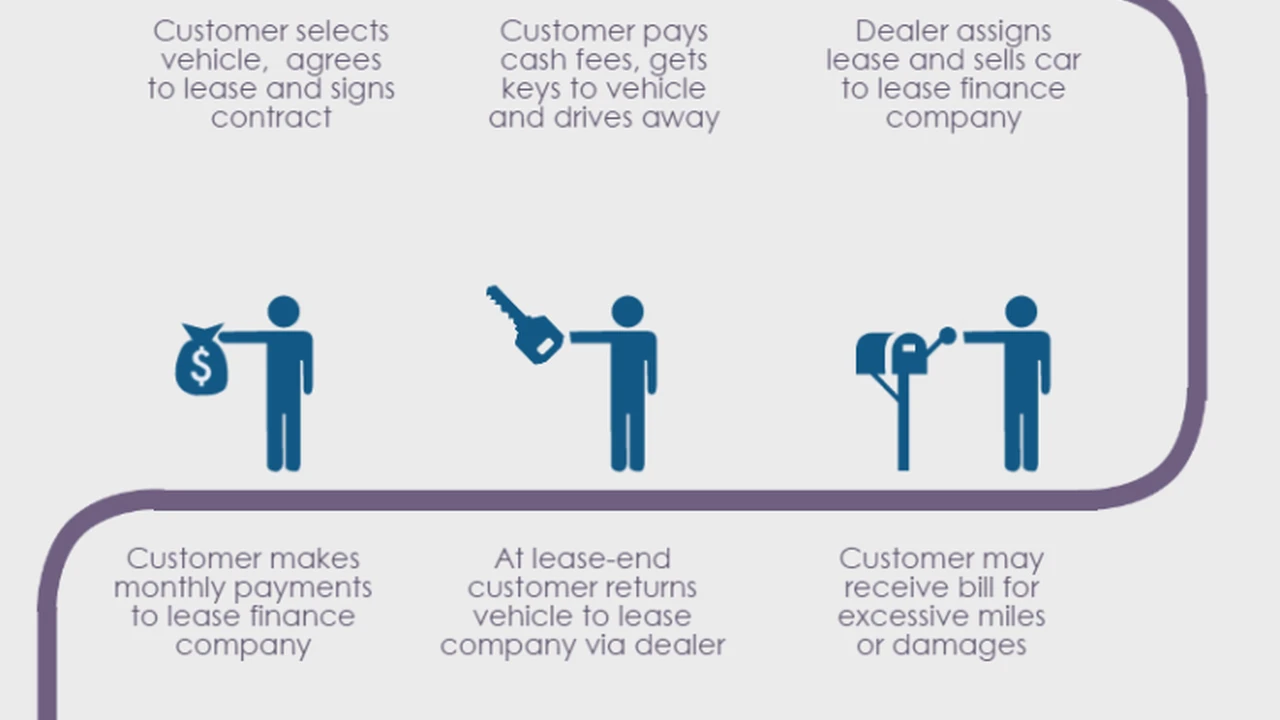
So, you've signed on the dotted line for a sweet new ride, but are you *really* clear on what that lease agreement says? Don't just skim it! This is your contract, your legal bible for the next few years. Pay close attention to things like mileage limits – going over can sting! Also, keep an eye out for early termination penalties. Life happens, and you might need to break that lease. Knowing the potential costs upfront is crucial.
And what about wear and tear? They'll definitely be scrutinizing that when you return the car. Understand what's considered "normal" wear and tear versus damage you'll be responsible for. Read the fine print, folks!
Your Rights Regarding Car Lease Termination Options
Okay, let's say you need to get out of your lease. What are your options? Unfortunately, it's usually not as simple as handing back the keys. Early termination is generally expensive. One option is a lease transfer, where you find someone else to take over your lease. Websites like LeaseTrader and Swapalease can help connect you with potential buyers. This can be a much cheaper alternative than paying early termination fees. Just remember, you're still responsible if the new lessee defaults!
Another option is buying out the lease. This means purchasing the car at the agreed-upon price in your lease agreement. This might be a good idea if you love the car and the buyout price is reasonable compared to its market value. Do your research!
Navigating Car Lease Disputes and Lemon Laws
Uh oh, trouble with your leased car? If you're dealing with significant mechanical issues that haven't been resolved after multiple repair attempts, you might be protected by lemon laws. These laws vary by state, so it's crucial to understand the lemon law in your area. Document everything! Keep records of all repairs, communications with the dealership, and any expenses you've incurred. A lawyer specializing in lemon law can be a huge help in navigating this process.
Even if your car doesn't qualify as a "lemon," you still have rights. If the dealership isn't honoring the terms of your lease agreement, you might have grounds for a dispute. Start by contacting the dealership's customer service department and escalating the issue if necessary. You can also file a complaint with the Better Business Bureau or your state's attorney general's office.
Understanding Car Lease Insurance Requirements and Coverage
Insurance is a non-negotiable part of leasing. You'll be required to maintain specific levels of coverage, usually higher than the state minimums. This is because the leasing company owns the car, and they want to protect their investment. Typically, you'll need comprehensive and collision coverage, as well as liability insurance. Shop around for the best rates! Don't just stick with the first quote you get. A higher deductible can lower your premium, but make sure you can afford it if you need to file a claim.
Gap insurance is also a good idea. This covers the difference between the car's market value and the amount you owe on the lease if the car is stolen or totaled. This can save you a lot of money in a worst-case scenario.
Maintaining Your Leased Vehicle to Avoid Penalties
Treat your leased car like it's your own (even though it technically isn't!). Regular maintenance is key to avoiding penalties when you return the car. Follow the manufacturer's recommended maintenance schedule. Keep records of all oil changes, tire rotations, and other services. Address any minor repairs promptly to prevent them from becoming major problems.
And don't forget about the interior and exterior! Keep the car clean and tidy. Avoid smoking or eating in the car. Protect the upholstery with seat covers. Wash and wax the car regularly to protect the paint. A little TLC can go a long way in preventing wear and tear charges.
Recommended Car Cleaning and Protection Products
To keep your leased vehicle in tip-top shape and avoid those dreaded end-of-lease charges, here are a few product recommendations:
Meguiar's Gold Class Car Wash Shampoo and Conditioner
Use Case: Regular washing to remove dirt, grime, and road salt. The conditioner helps protect the paint's finish. Perfect for weekly washes to keep your car looking its best.
Comparison: Compared to cheaper car wash soaps, Meguiar's Gold Class is pH balanced and won't strip away wax. It also provides better lubrication, reducing the risk of swirl marks during washing.
Price: Around $15-$20 per bottle.
Chemical Guys Leather Cleaner and Conditioner Kit
Use Case: Ideal for cleaning and conditioning leather seats. Removes dirt, stains, and body oils while keeping the leather supple and preventing cracks. Use every 1-2 months.
Comparison: Many leather cleaners can be harsh and dry out the leather. Chemical Guys' kit is specifically formulated to clean and condition, leaving the leather soft and protected.
Price: Around $25-$35 per kit.
303 Aerospace Protectant
Use Case: Protects vinyl, rubber, and plastic surfaces from UV damage. Great for dashboards, door panels, and tires. Prevents fading, cracking, and discoloration. Apply every 3-5 weeks for optimal protection.
Comparison: Unlike some protectants that leave a greasy residue, 303 Aerospace Protectant dries to a matte finish and provides excellent UV protection.
Price: Around $20-$25 per bottle.
WeatherTech FloorLiners
Use Case: Provides maximum protection for your car's carpets. Custom-fit to your specific vehicle model, these floor liners trap dirt, spills, and debris, preventing them from staining the carpet. Essential for all-weather protection.
Comparison: Much more effective than standard floor mats. WeatherTech FloorLiners have raised edges that contain spills and prevent them from spreading.
Price: Around $100-$200 per set, depending on the vehicle.
Invisible Glass Premium Glass Cleaner
Use Case: Cleans windows and mirrors without leaving streaks or residue. Essential for maintaining clear visibility and a clean interior. Use weekly.
Comparison: Many glass cleaners leave streaks or a hazy film. Invisible Glass provides a crystal-clear finish.
Price: Around $5-$10 per bottle.
Understanding Car Lease Mileage Restrictions and Penalties
Mileage is a big deal when it comes to leasing. You'll agree to a specific mileage allowance upfront, typically between 10,000 and 15,000 miles per year. Going over that limit can be expensive, with penalties ranging from $0.15 to $0.30 per mile. Track your mileage carefully! There are apps and tools that can help you monitor your mileage and estimate your potential overage charges.
If you know you'll be driving more than the standard mileage allowance, consider negotiating for a higher mileage limit upfront. It's often cheaper to pay for extra miles upfront than to pay the penalty at the end of the lease.
Negotiating Car Lease Terms and Conditions for a Better Deal
Don't be afraid to negotiate! Lease terms are often negotiable, especially the price of the car, the down payment, and the monthly payment. Do your research! Know the market value of the car and compare lease offers from different dealerships. Be prepared to walk away if you're not getting a good deal.
Also, pay attention to the money factor, which is essentially the interest rate on your lease. A lower money factor means lower monthly payments. Negotiate the money factor down if possible.
Returning Your Leased Vehicle and Avoiding Unexpected Fees
The end of your lease is just as important as the beginning. Schedule a pre-inspection a few months before your lease ends. This will give you an idea of any potential wear and tear charges. Address any minor repairs before you return the car. Clean the car thoroughly, both inside and out. Gather all the original documents, including the lease agreement, the owner's manual, and any maintenance records.
When you return the car, inspect it carefully with the dealership representative. Document any existing damage and make sure it's noted on the return inspection form. Get a copy of the inspection form and keep it for your records. Dispute any charges that you believe are unfair or inaccurate.
:max_bytes(150000):strip_icc()/277019-baked-pork-chops-with-cream-of-mushroom-soup-DDMFS-beauty-4x3-BG-7505-5762b731cf30447d9cbbbbbf387beafa.jpg)