The Pros and Cons of Car Leasing
Car Leasing Basics Understanding the Fundamentals
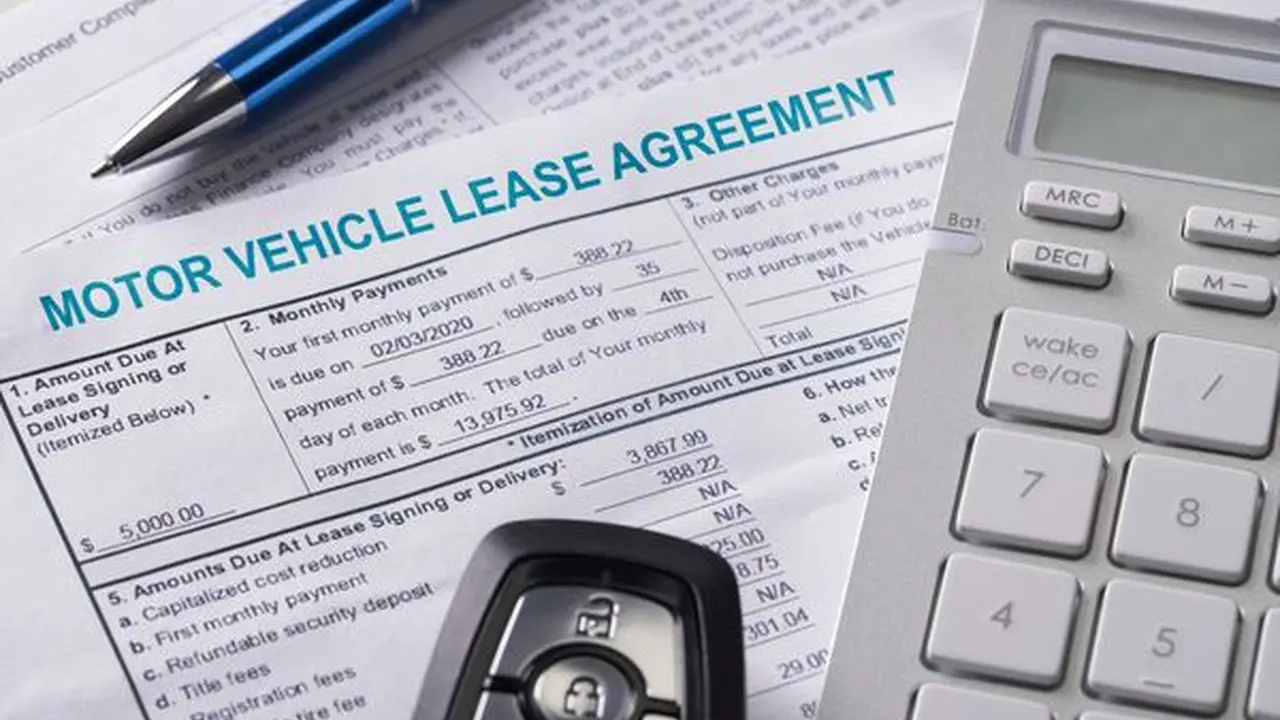
Okay, so you're thinking about a new car, but buying seems like a huge commitment? Leasing might be the answer! But before you jump in, let's break down what car leasing actually *is*. Think of it like renting a car for a specific period, usually two to three years. You make monthly payments, and at the end of the lease, you return the car. Sounds simple, right? It can be, but it's important to understand all the ins and outs. You're essentially paying for the depreciation of the car during your lease term. This is the difference between the car's original value and what it's expected to be worth when you return it. Your monthly payments also include interest (called a money factor in leasing terms), taxes, and fees. Unlike buying, you won't own the car at the end of the lease. You have the option to purchase it at a predetermined price, but most people simply return the vehicle and lease a new one. So, what are the advantages and disadvantages? That's what we're here to explore!
The Upside Car Leasing Advantages and Benefits
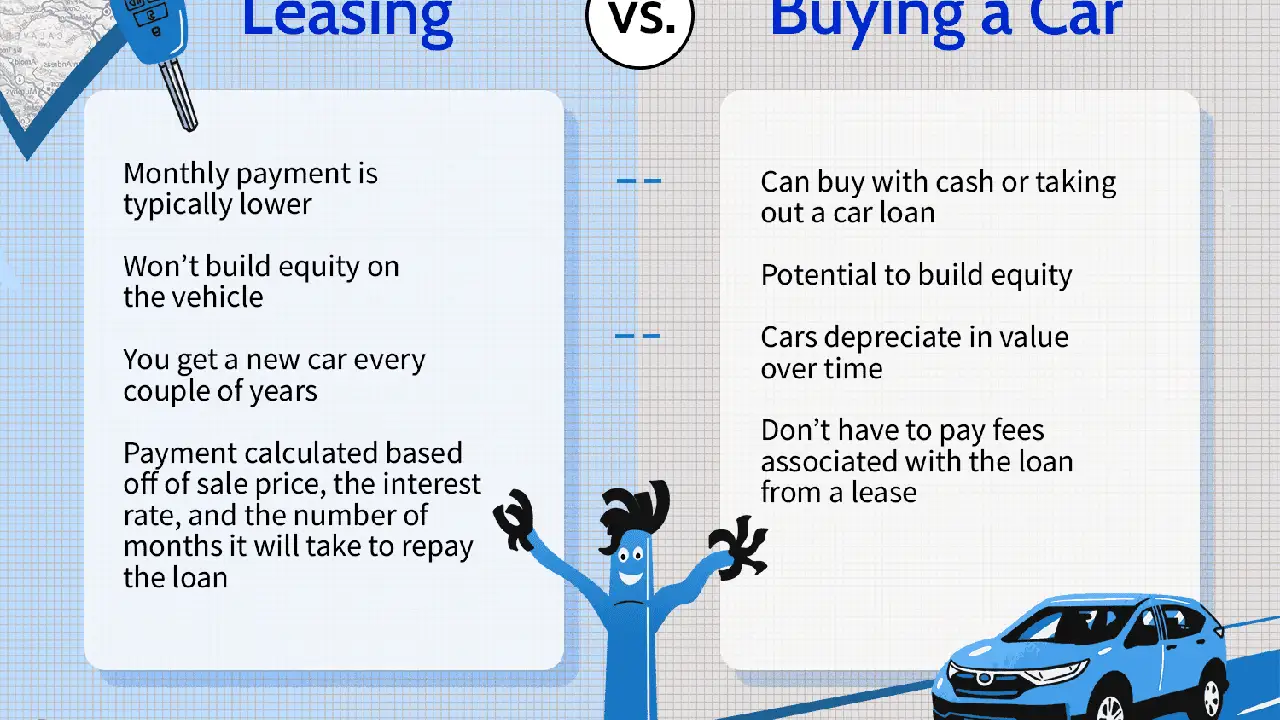
Let’s dive into why leasing can be a pretty sweet deal for some folks. First off, lower monthly payments are a big draw. Since you're only paying for the depreciation, your payments are often significantly lower than if you were financing a purchase. This frees up cash for other things - like that vacation you've been dreaming about! Secondly, you get to drive a new car every few years. Who doesn't love that new car smell? With leasing, you can always have the latest model with the newest features and technology. Plus, you're usually covered by the manufacturer's warranty for the entire lease term, which means minimal maintenance costs. No worrying about major repairs popping up! And finally, sales tax benefits. In some states, you only pay sales tax on the portion of the car's value you use during the lease, not the entire purchase price. That can add up to a significant savings!
The Downside Car Leasing Disadvantages and Potential Pitfalls
Alright, time for the not-so-glamorous side of leasing. The biggest thing to remember is that you don't own the car. You're essentially paying for the privilege of driving it for a set period. Also, mileage restrictions can be a real pain. Leases come with a set number of miles you can drive per year, typically 10,000 to 15,000. Go over that, and you'll be hit with per-mile overage charges, which can add up quickly. Then there are early termination fees. Breaking a lease early is usually very expensive. You'll likely have to pay the remaining balance on the lease, plus penalties. Excess wear and tear is another concern. When you return the car, it needs to be in good condition. Anything beyond normal wear and tear, like dents, scratches, or stained upholstery, will result in charges. And finally, long-term cost. While monthly payments might be lower, over the long run, leasing can be more expensive than buying. You're constantly making payments without ever owning the vehicle. You're building no equity.
Specific Car Lease Recommendations Best Leases for Different Needs
Okay, let's get practical. Here are a few lease recommendations based on different needs and scenarios. Remember, prices are just estimates and can vary depending on your location, credit score, and current incentives. Always check with your local dealerships for the most accurate information.
Family-Friendly Lease Option The Honda CR-V
The Car: Honda CR-V. A super popular compact SUV known for its reliability, fuel efficiency, and spacious interior. Perfect for families or anyone who needs a bit of extra cargo space. The Scenario: Ideal for families with young children who need a safe and reliable vehicle for daily commutes and weekend trips. Plenty of room for car seats, strollers, and all the other gear that comes with kids. The Comparison: Compared to other compact SUVs like the Toyota RAV4 or Mazda CX-5, the CR-V offers a slightly more spacious interior and a reputation for excellent reliability. The RAV4 is also a strong contender, known for its fuel efficiency, while the CX-5 offers a more sporty driving experience. The Price: Estimated lease payments range from $350 to $450 per month with $3,000 due at signing (depending on trim level and incentives).
Fuel-Efficient Commuter Lease The Toyota Prius
The Car: Toyota Prius. The OG hybrid! Known for its incredible fuel efficiency and eco-friendly credentials. The Scenario: Perfect for commuters who spend a lot of time on the road and want to save money on gas. Also a great choice for environmentally conscious drivers. The Comparison: Compared to other hybrids like the Hyundai Ioniq or Kia Niro, the Prius has a longer track record of reliability and a more recognizable brand name. The Ioniq and Niro offer similar fuel efficiency at a slightly lower price point. The Price: Estimated lease payments range from $300 to $400 per month with $2,500 due at signing (depending on trim level and incentives).
Luxury Lease Option The BMW 3 Series
The Car: BMW 3 Series. A classic sports sedan known for its sporty handling, luxurious interior, and advanced technology. The Scenario: Ideal for drivers who want a premium driving experience and are willing to pay a bit more for it. Great for impressing clients or simply enjoying the open road. The Comparison: Compared to other luxury sedans like the Mercedes-Benz C-Class or Audi A4, the 3 Series offers a more engaging driving experience. The C-Class is known for its luxurious interior, while the A4 offers a sleek design and advanced technology. The Price: Estimated lease payments range from $500 to $700 per month with $4,000 due at signing (depending on trim level and incentives).
Budget-Friendly Lease The Hyundai Elantra
The Car: Hyundai Elantra. A reliable and stylish compact sedan known for its affordability and generous features. The Scenario: Ideal for budget-conscious individuals or students who need a dependable car for commuting and everyday use. It offers a good balance of fuel efficiency, comfort, and technology at an attractive price point. The Comparison: Compared to other compact sedans like the Nissan Sentra or Kia Forte, the Elantra stands out with its modern design and comprehensive warranty. The Sentra offers a comfortable ride, while the Forte provides a sporty alternative. The Price: Estimated lease payments range from $250 to $350 per month with $2,000 due at signing (depending on trim level and incentives).
Lease vs Buy Making the Right Decision for You
So, which is better – leasing or buying? It really depends on your individual circumstances and priorities. If you like driving a new car every few years, don't drive a lot of miles, and prefer lower monthly payments, leasing might be a good fit. However, if you want to own your car outright, drive a lot of miles, and plan to keep the car for a long time, buying is probably the better option. Consider your budget, driving habits, and long-term goals to make the best decision for you.
Leasing Jargon Decoding Lease Terminology
Leasing has its own set of terms that can sound like a foreign language. Here are a few key terms to understand: Capitalized Cost: This is the agreed-upon price of the car you're leasing. Think of it as the selling price. Residual Value: This is the estimated value of the car at the end of the lease term. It's what the car is expected to be worth when you return it. Money Factor: This is the interest rate you're paying on the lease, expressed as a decimal. Multiply the money factor by 2400 to get an approximate annual interest rate. Lease Term: This is the length of the lease, usually expressed in months (e.g., 24 months, 36 months). Mileage Allowance: This is the number of miles you're allowed to drive per year. Going over this allowance results in per-mile overage charges. Disposition Fee: This is a fee charged by the leasing company when you return the car at the end of the lease. It covers the cost of preparing the car for resale.
Negotiating a Car Lease Tips and Tricks for a Better Deal
Don't be afraid to negotiate! Just like buying a car, you can negotiate the terms of a lease. Here are a few tips: Do your research: Know the market value of the car and the average lease rates in your area. Negotiate the capitalized cost: Try to get the selling price of the car as low as possible. Shop around: Get quotes from multiple dealerships to compare prices. Be aware of hidden fees: Ask about all fees upfront, including acquisition fees, disposition fees, and early termination fees. Don't be afraid to walk away: If you're not happy with the deal, be prepared to walk away. There are plenty of other dealerships out there.
Returning Your Leased Vehicle Avoiding Unexpected Charges
The end of your lease is approaching! Here are some tips for a smooth return: Schedule a pre-inspection: Most leasing companies offer a free pre-inspection a few months before the end of the lease. This will give you an idea of any potential wear and tear charges. Repair any damage: If you have any significant damage to the car, it's usually cheaper to repair it yourself than to pay the leasing company's charges. Clean the car thoroughly: Make sure the car is clean inside and out before returning it. Keep all your paperwork: Bring your lease agreement, inspection report, and any other relevant documents with you when you return the car. Get a receipt: Make sure you get a signed receipt from the dealership acknowledging that you've returned the car.
Car Leasing Alternatives Exploring Other Vehicle Options
Leasing isn't the only way to get behind the wheel of a new car. Here are a few alternatives to consider: Buying: The traditional option. You own the car outright and can drive it as much as you want. Financing: Taking out a loan to purchase a car. You'll make monthly payments until the loan is paid off. Subscription Services: A relatively new option. You pay a monthly fee to have access to a variety of cars. Used Car Buying: Buying a used car can save you a lot of money compared to buying new. Certified Pre-Owned (CPO) Vehicles: Used cars that have been inspected and certified by the manufacturer. They often come with a warranty.
:max_bytes(150000):strip_icc()/277019-baked-pork-chops-with-cream-of-mushroom-soup-DDMFS-beauty-4x3-BG-7505-5762b731cf30447d9cbbbbbf387beafa.jpg)