Understanding Car Lease Arbitration
What is Car Lease Arbitration and Why Should You Care?
So, you’ve leased a car. Awesome! But what happens when things go south? Maybe the car’s got issues the dealership isn't fixing, or you feel like you were misled about the terms of your lease. That's where car lease arbitration comes in. It's basically a way to resolve disputes outside of court, often faster and cheaper. Think of it as a referee for your car lease woes.
The Basics of Car Lease Arbitration: How Does It Work?
Okay, let's break it down. Arbitration is a process where a neutral third party (the arbitrator) hears both sides of the story and makes a decision. Unlike a judge, an arbitrator usually has expertise in car leases and consumer law. The process typically involves these steps:
- Filing a Claim: You start by filing a claim with the arbitration organization. This usually involves filling out some paperwork and paying a fee (which is often much less than court costs).
- Providing Evidence: You’ll need to gather evidence to support your claim. This might include your lease agreement, repair orders, photos of the car’s problems, and any communication you’ve had with the dealership.
- The Arbitration Hearing: This is where you and the dealership present your cases to the arbitrator. You can present evidence, call witnesses, and argue your points.
- The Arbitrator's Decision: After hearing both sides, the arbitrator will issue a decision. This decision can be binding (meaning you have to follow it) or non-binding (meaning you can still go to court if you don’t like the outcome).
When Should You Consider Car Lease Arbitration: Common Scenarios
Arbitration isn't always the answer, but it's a good option in a few common situations:
- Unresolved Mechanical Issues: The car keeps breaking down, and the dealership isn't fixing it properly, even after multiple attempts.
- Misrepresentation: You feel like you were misled about the terms of the lease, like the mileage allowance, the condition of the car, or the fees involved.
- Warranty Disputes: The dealership isn't honoring the warranty on the car.
- Early Termination Fees: You're being charged excessive fees for ending the lease early, and you believe they're unfair.
Navigating the Arbitration Process: Tips for Success
Alright, so you're ready to give arbitration a shot. Here are a few tips to help you make the most of it:
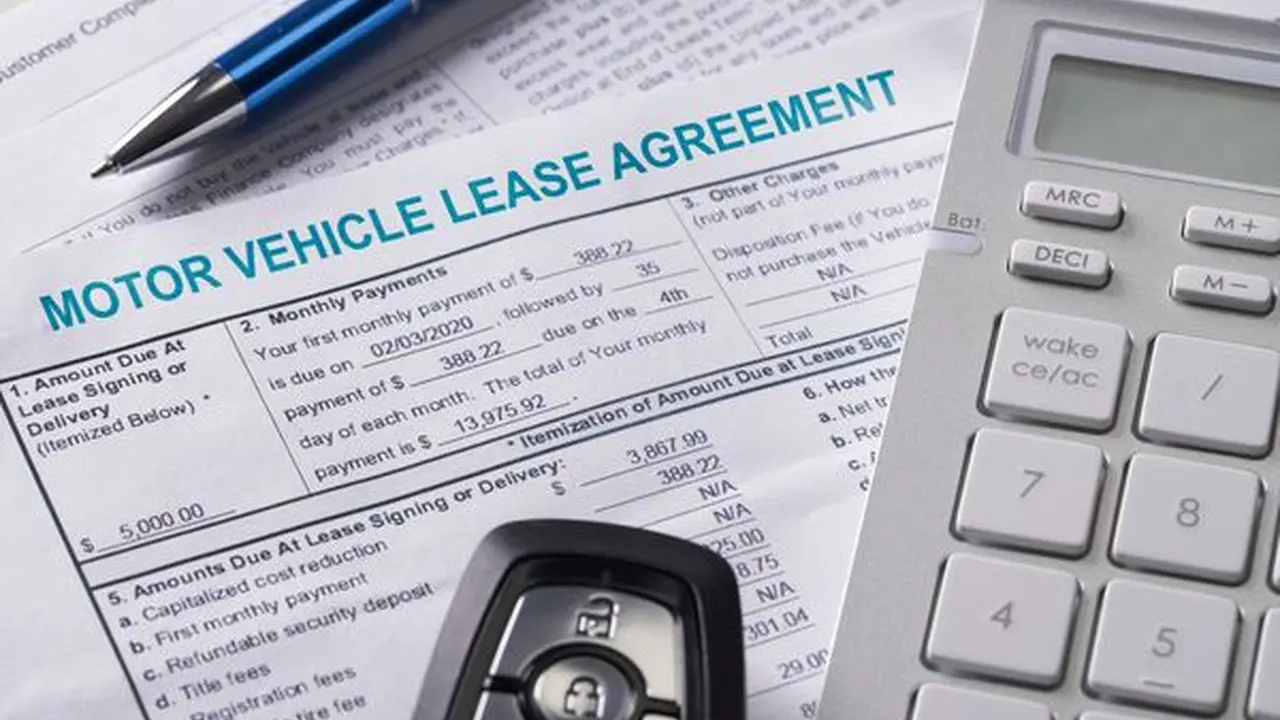
- Read Your Lease Agreement Carefully: This is crucial. Understand the terms of your lease, especially the arbitration clause. Knowing your rights is half the battle.
- Gather All Your Documents: Organize all relevant documents, including your lease agreement, repair orders, photos, emails, and any other communication with the dealership.
- Be Clear and Concise: When presenting your case, be clear, concise, and organized. Stick to the facts and avoid emotional outbursts.
- Know Your State's Laws: Car lease laws vary by state. Familiarize yourself with the laws in your state to understand your rights and obligations.
- Consider Legal Representation: While not always necessary, a lawyer specializing in car lease disputes can provide valuable guidance and representation.
Understanding Car Lease Arbitration Clauses: What to Look For
That arbitration clause in your lease agreement? It's important! Here's what to look for:
- Binding vs. Non-Binding: Is the arbitration decision binding or non-binding? Binding arbitration means you're stuck with the arbitrator's decision, while non-binding arbitration allows you to still pursue legal action if you're unhappy.
- Arbitration Organization: Which organization will handle the arbitration? Common organizations include the Better Business Bureau (BBB) and the American Arbitration Association (AAA).
- Cost Allocation: Who pays for the arbitration? The lease agreement should specify how the costs will be divided.
- Choice of Law: Which state's laws will govern the arbitration?
Pros and Cons of Car Lease Arbitration: Is It Right for You?
Let's weigh the good and the bad:
Pros:
- Faster and Cheaper: Arbitration is generally faster and cheaper than going to court.
- Less Formal: The process is less formal than a court trial, making it less intimidating.
- Expert Arbitrators: Arbitrators often have expertise in car leases and consumer law.
- Confidentiality: Arbitration proceedings are typically confidential.
Cons:
- Binding Decisions: If the arbitration is binding, you're stuck with the arbitrator's decision, even if you disagree with it.
- Limited Discovery: You may have limited access to information and documents compared to a court trial.
- Potential for Bias: While arbitrators are supposed to be neutral, there's always a potential for bias.
Preparing Your Case for Car Lease Arbitration: Evidence is Key
Think of your arbitration hearing like a mini-trial. You need to prepare your case carefully. Here's how:
- Organize Your Documents: Create a well-organized file containing all relevant documents.
- Write a Clear Statement: Prepare a clear and concise statement outlining your claim and the relief you're seeking.
- Gather Witness Testimony: If possible, gather witness testimony to support your claim.
- Research Relevant Laws: Familiarize yourself with the car lease laws in your state.
- Practice Your Presentation: Rehearse your presentation to ensure you're clear, concise, and persuasive.
The Role of the Arbitrator: Ensuring a Fair Hearing
The arbitrator is the key to a fair arbitration process. Here's what you can expect from them:
- Neutrality: The arbitrator should be neutral and impartial.
- Expertise: The arbitrator should have expertise in car leases and consumer law.
- Fairness: The arbitrator should ensure that both sides have a fair opportunity to present their cases.
- Impartial Decision: The arbitrator should make a decision based on the evidence presented and the applicable laws.
What Happens After the Arbitration Hearing: Understanding the Outcome
Once the hearing is over, the arbitrator will issue a decision. Here's what you need to know:
- Review the Decision Carefully: Read the arbitrator's decision carefully to understand the outcome.
- Binding vs. Non-Binding: If the arbitration was binding, you must follow the arbitrator's decision. If it was non-binding, you can still pursue legal action if you disagree.
- Enforcement: If the other party doesn't comply with the arbitrator's decision, you may need to seek enforcement through the courts.
Alternatives to Car Lease Arbitration: Exploring Your Options
Arbitration isn't the only option. Here are some alternatives:
- Negotiation: Try to negotiate a resolution directly with the dealership.
- Mediation: A mediator can help you and the dealership reach a mutually agreeable settlement.
- Small Claims Court: If the amount in dispute is relatively small, you can file a claim in small claims court.
- Lemon Law Claim: If your car qualifies as a lemon under your state's lemon law, you may be able to get a refund or replacement.
- Legal Action: You can file a lawsuit against the dealership.
Common Mistakes to Avoid in Car Lease Arbitration: Don't Sabotage Your Case
Here are some common mistakes to avoid:
- Failing to Read Your Lease Agreement: This is the most common mistake.
- Not Gathering Enough Evidence: Evidence is crucial to your case.
- Being Unprepared: Prepare your case carefully and practice your presentation.
- Getting Emotional: Stay calm and professional during the arbitration hearing.
- Missing Deadlines: Be aware of any deadlines and make sure to meet them.
Products and Scenarios: Recommended Car Lease Protection Options
Okay, let's talk about some products that can help protect you during your car lease and what scenarios they're best for. Remember, I'm not a financial advisor, so this is just for informational purposes. Always do your own research!
Gap Insurance: The Financial Safety Net
What it is: Gap insurance covers the "gap" between what you owe on your lease and what the car is actually worth if it's stolen or totaled. Cars depreciate quickly, especially in the first few years. Scenario: Imagine you lease a car for $30,000. A year later, it's totaled in an accident. Your insurance company says the car is only worth $20,000. You still owe $25,000 on the lease. Gap insurance covers that $5,000 difference. Products: * **Your Dealership's Gap Insurance:** Often offered at the dealership when you sign your lease. * **Your Auto Insurance Company:** Many major insurers offer gap insurance. * **Standalone Gap Insurance Providers:** Companies specializing in gap insurance. Comparison: Dealership gap insurance is often more expensive. Your auto insurance company might offer the best rate, but standalone providers can be competitive too. Shop around! Price: Typically ranges from $200 to $700 for the life of the lease.
Excess Wear and Tear Insurance: Avoiding End-of-Lease Surprises
What it is: This covers dings, dents, scratches, and other minor damage that can occur during the lease. When you return the car, you'll be charged for any damage that exceeds the lease's wear and tear guidelines. Scenario: You accidentally scratch the bumper in a parking lot. It's a small scratch, but the dealership charges you $500 to fix it when you return the car. Excess wear and tear insurance would cover that cost (up to the policy limit). Products: * **Your Dealership's Wear and Tear Insurance:** Usually offered at the dealership. * **Standalone Wear and Tear Insurance Providers:** Some companies specialize in this type of coverage. Comparison: Dealership policies are often more expensive and have stricter limits. Standalone providers can offer more flexible coverage. Price: Typically ranges from $300 to $1000 for the life of the lease.
Tire and Wheel Protection: For Those Pothole-Prone Roads
What it is: This covers damage to your tires and wheels caused by potholes, road hazards, and other unexpected events. Scenario: You hit a massive pothole and blow out a tire. Replacing that tire and potentially repairing the wheel can be expensive. Tire and wheel protection would cover those costs. Products: * **Your Dealership's Tire and Wheel Protection:** Often offered at the dealership. * **Tire Retailers:** Some tire retailers offer protection plans. * **Standalone Tire and Wheel Protection Providers:** Companies specializing in this type of coverage. Comparison: Dealership plans are often the most expensive. Tire retailers might offer good value, especially if you buy your tires from them. Price: Typically ranges from $200 to $500 per year.
Key Replacement Protection: Because Losing Your Keys is a Pain
What it is: Modern car keys are expensive to replace, especially with all the electronic components. Key replacement protection covers the cost of replacing lost or stolen keys. Scenario: You lose your car keys at the beach. Replacing them can cost hundreds of dollars. Key replacement protection would cover that cost. Products: * **Your Dealership's Key Replacement Protection:** Often offered at the dealership. * **Your Auto Insurance Company:** Some auto insurance companies offer key replacement coverage. * **Standalone Key Replacement Protection Providers:** Companies specializing in this type of coverage. Comparison: Dealership plans are often the most expensive. Your auto insurance company might offer the best rate, but standalone providers can be competitive too. Price: Typically ranges from $50 to $150 per year.
Comparing Protection Products: Which One is Right for You?
The best protection product for you depends on your individual circumstances and risk tolerance. Consider these factors:
* **Your Driving Habits:** Do you drive in areas with lots of potholes or heavy traffic? * **Your Financial Situation:** Can you afford to pay for unexpected repairs out of pocket? * **Your Lease Terms:** What are the wear and tear guidelines in your lease agreement? * **Your Risk Tolerance:** Are you comfortable taking on the risk of potential losses?Get quotes from multiple providers and compare the coverage, limits, and price. Don't be afraid to negotiate! And always read the fine print before you buy.
:max_bytes(150000):strip_icc()/277019-baked-pork-chops-with-cream-of-mushroom-soup-DDMFS-beauty-4x3-BG-7505-5762b731cf30447d9cbbbbbf387beafa.jpg)