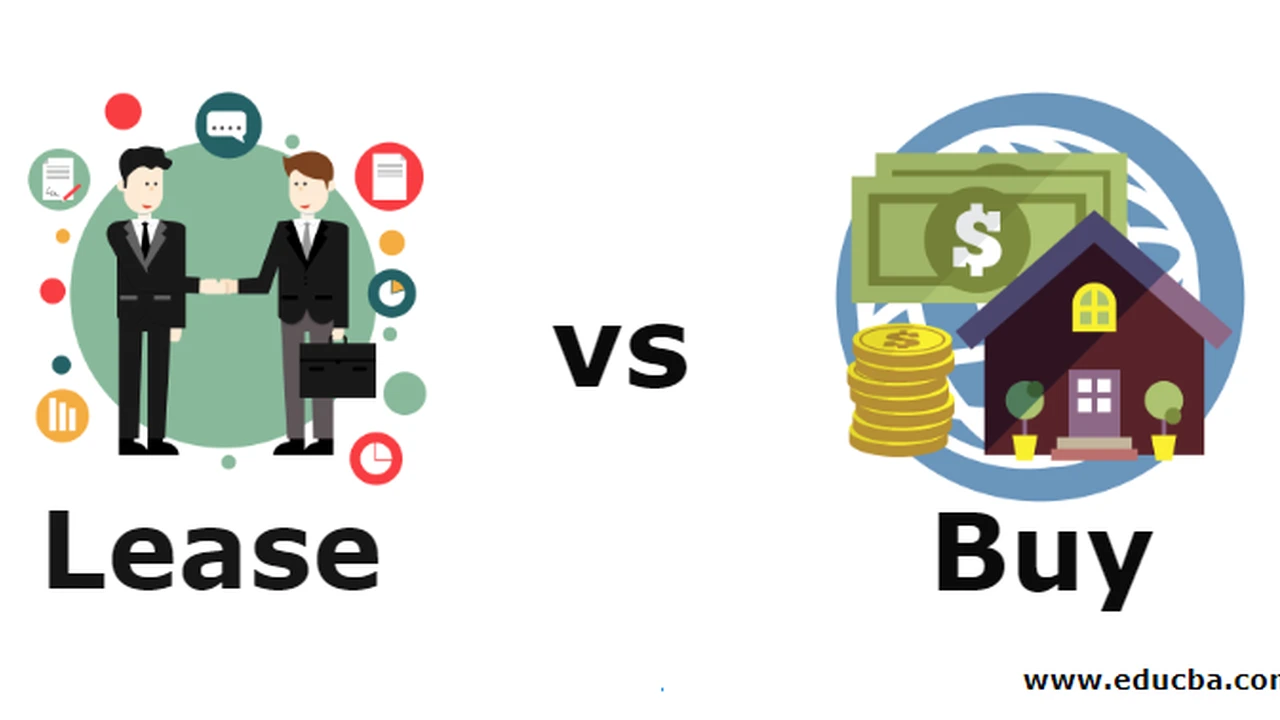
Lease vs. Buy: Which is Right for You?
What is Car Leasing A Simple Explanation
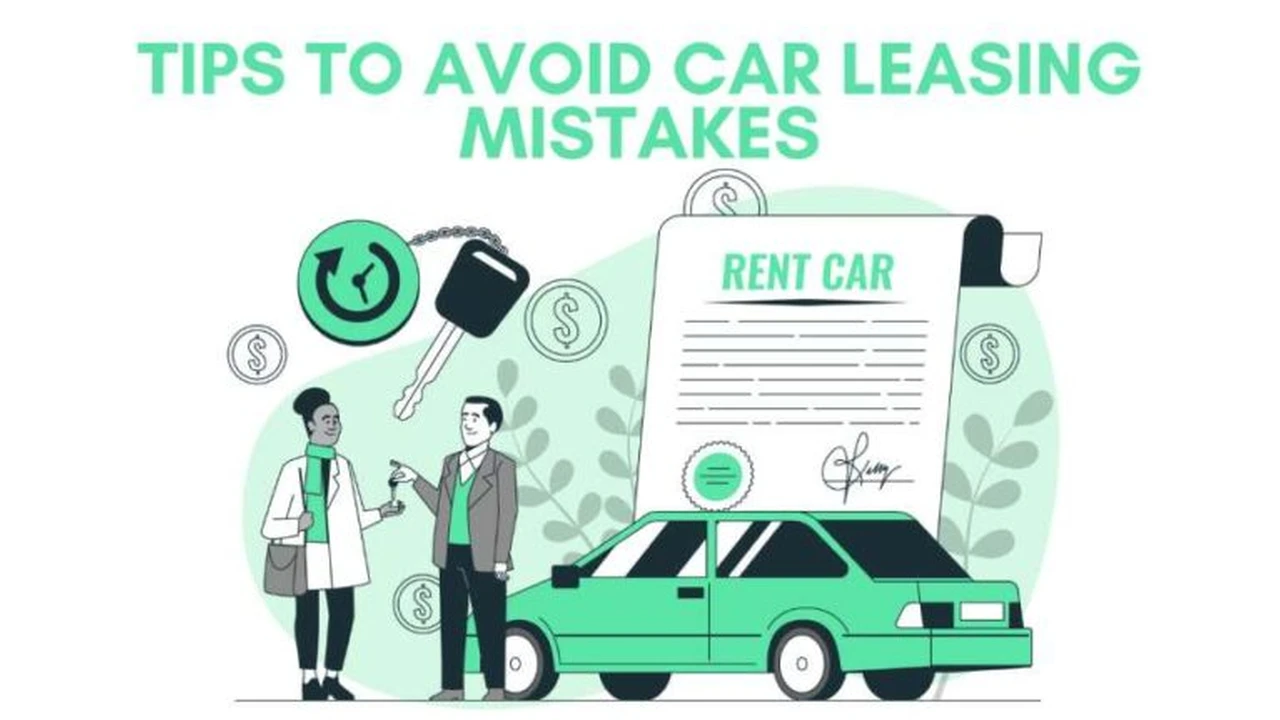
Okay, so you're thinking about getting a new car, but the whole buying thing seems like a HUGE commitment? Maybe leasing is for you! Simply put, car leasing is like renting a car for a specific period, usually two to five years. You make monthly payments, and at the end of the lease, you return the car. Think of it like subscribing to a car rather than owning it outright. You're paying for the depreciation of the vehicle during your use, plus interest and fees. It's a popular option for people who like driving a new car every few years without the hassle of selling or trading in a used one. But is it right for you? Let's dive deeper!
Lease vs Buy Which is Right for You A Detailed Comparison
This is the million-dollar question, isn't it? Leasing and buying both have their pros and cons. Let's break it down:
Leasing Advantages:
- Lower Monthly Payments: Typically, lease payments are lower than loan payments for the same car. This is because you're only paying for the depreciation during the lease term.
- Driving a New Car More Often: Love that new car smell? Leasing allows you to drive a brand-new car every few years, keeping you up-to-date with the latest technology and safety features.
- Less Maintenance Worries: Most leases are for a period that's within the car's warranty period, meaning you'll likely avoid major repair bills.
- Easier Trade-in Process: At the end of the lease, you simply return the car. No need to worry about selling it or trading it in.
Leasing Disadvantages:
- Mileage Restrictions: Leases come with mileage limits, usually around 10,000 to 15,000 miles per year. Exceeding these limits can result in hefty fees.
- You Don't Own the Car: At the end of the lease, you have nothing to show for your payments. You're essentially paying to use the car, not to own it.
- Early Termination Fees: Breaking a lease early can be very expensive.
- Wear and Tear Charges: You'll be charged for excessive wear and tear at the end of the lease. Think scratches, dents, and interior damage.
- Limited Customization: You can't really modify a leased car. No adding aftermarket parts or personalizing it too much.
Buying Advantages:
- Ownership: You own the car outright once you've paid off the loan. It's yours to keep, sell, or trade in.
- No Mileage Restrictions: Drive as much as you want! There are no mileage limits when you own a car.
- Customization: You can customize your car however you like. Add aftermarket parts, change the paint job, whatever floats your boat!
- Building Equity: As you pay off the loan, you build equity in the car. This equity can be used for a future down payment.
Buying Disadvantages:
- Higher Monthly Payments: Loan payments are typically higher than lease payments for the same car.
- Depreciation: Cars depreciate in value over time. You'll lose money when you sell or trade in your car.
- Maintenance Costs: You're responsible for all maintenance and repair costs, which can add up over time.
- Selling or Trading In: You have to deal with the hassle of selling or trading in your car when you're ready for a new one.
Car Leasing Deals and Special Offers Understanding the Fine Print
Deals, deals, deals! Car dealerships love to advertise amazing lease deals. But it's crucial to read the fine print before signing on the dotted line. Pay close attention to:
- Money Factor: This is the interest rate on the lease. The lower the money factor, the better.
- Residual Value: This is the estimated value of the car at the end of the lease. A higher residual value means lower monthly payments.
- Capitalized Cost: This is the negotiated price of the car. Try to negotiate a lower capitalized cost to reduce your monthly payments.
- Down Payment: While a large down payment can lower your monthly payments, it's generally not recommended for leases. If the car is totaled, you may lose your down payment.
- Fees: Be aware of all the fees associated with the lease, such as acquisition fees, disposition fees, and documentation fees.
Understanding Car Leasing Credit Score Requirements and How to Improve Yours
Your credit score plays a significant role in whether you'll be approved for a lease and the interest rate you'll receive. A higher credit score generally means a lower interest rate and better lease terms. Aim for a credit score of 700 or higher for the best deals. If your credit score is lower, you may still be able to lease a car, but you'll likely pay a higher interest rate. Here are some tips for improving your credit score:
- Pay Your Bills on Time: This is the most important factor in your credit score.
- Keep Your Credit Utilization Low: Don't max out your credit cards.
- Check Your Credit Report Regularly: Look for errors and dispute them.
- Become an Authorized User: Ask a family member or friend with good credit to add you as an authorized user on their credit card.
Best Cars to Lease in 2024 Specific Product Recommendations
Okay, let's get to the fun part! Here are a few cars that are generally considered good choices for leasing in 2024, along with their starting prices and key features:
Honda Civic Lease Deals: Fuel Efficiency and Reliability
The Honda Civic is a perennial favorite for a reason. It's reliable, fuel-efficient, and fun to drive. The Civic is a great option for daily commuters or anyone looking for a practical and affordable car. The starting price for a Civic lease is around $250 per month. It's perfect for city driving and those on a budget.
Toyota Corolla Lease Offers: A Practical Choice for Commuters
Similar to the Civic, the Toyota Corolla is known for its reliability and fuel efficiency. It's a solid choice for anyone looking for a dependable and affordable car. The Corolla offers a comfortable ride and a spacious interior. Expect to pay around $240 per month for a Corolla lease. Best for daily commutes and long road trips, thanks to its excellent fuel economy.
BMW 3 Series Lease Options: Luxury and Performance at Your Fingertips
If you're looking for a more luxurious and sporty driving experience, the BMW 3 Series is a great option. It offers a powerful engine, sharp handling, and a refined interior. Lease prices for a 3 Series start around $450 per month. The BMW 3 Series shines in a professional setting, impressing clients and providing a comfortable and stylish commute. It's also great for weekend getaways, offering a dynamic driving experience.
Hyundai Sonata Lease Specials: Style and Value Combined
The Hyundai Sonata offers a stylish design, a spacious interior, and a long list of features at an affordable price. It's a great value for the money and a good option for families. Lease prices for the Sonata start around $280 per month. The Sonata is ideal for families seeking a reliable and comfortable sedan with plenty of space for passengers and cargo. It's also a great option for those who appreciate modern styling and advanced technology.
Car Leasing Mileage Calculator How to Estimate Your Needs
Accurately estimating your mileage needs is crucial when leasing a car. Going over your mileage allowance can result in significant fees. Consider the following factors when calculating your mileage needs:
- Daily Commute: How far do you drive to work each day?
- Weekend Trips: Do you take frequent weekend trips?
- Errands: How often do you run errands?
- Vacations: Do you take long road trips for vacation?
Use online mileage calculators to help you estimate your annual mileage. It's always better to overestimate than underestimate your mileage needs. You can often purchase additional miles upfront at a lower cost than paying overage fees at the end of the lease.
Car Leasing Insurance Requirements What You Need to Know
Leasing companies typically require you to carry comprehensive and collision insurance with specific coverage limits. They want to protect their investment in the car. Make sure you understand the insurance requirements before signing the lease agreement. You may also need to add the leasing company as a "loss payee" on your insurance policy.
Car Leasing Early Termination Options and Penalties
Breaking a lease early can be very expensive. You'll likely be responsible for paying the remaining lease payments, plus early termination fees. Consider the potential costs before terminating a lease early. In some cases, it may be possible to transfer the lease to another person, which can be a less expensive option.
Car Leasing End of Lease Options What Happens Next
At the end of the lease, you have several options:
- Return the Car: This is the most common option. You simply return the car to the dealership and walk away. Make sure to have the car inspected for excessive wear and tear before returning it.
- Purchase the Car: You can purchase the car for the residual value specified in the lease agreement. This may be a good option if you like the car and it's in good condition.
- Lease Another Car: You can lease another car from the same dealership or a different one.
Car Leasing Negotiation Tips How to Get the Best Deal
Negotiating a lease deal is similar to negotiating a car purchase. Here are a few tips to help you get the best deal:
- Do Your Research: Know the market value of the car and the current lease rates.
- Shop Around: Get quotes from multiple dealerships.
- Negotiate the Capitalized Cost: Try to negotiate a lower price for the car.
- Don't Be Afraid to Walk Away: If you're not happy with the deal, be prepared to walk away.
Car Leasing Hidden Fees and Charges What to Watch Out For
Be aware of potential hidden fees and charges when leasing a car. These can include:
- Acquisition Fee: A fee charged by the leasing company to cover the cost of setting up the lease.
- Disposition Fee: A fee charged by the leasing company at the end of the lease to cover the cost of preparing the car for sale.
- Excess Wear and Tear Charges: Charges for damage to the car that is considered excessive wear and tear.
- Excess Mileage Charges: Charges for exceeding the mileage allowance.
Car Leasing vs Financing Which is the Smartest Choice
The "smartest" choice between leasing and financing depends entirely on your individual circumstances and priorities. There's no one-size-fits-all answer. Consider these factors:
- Budget: What can you realistically afford each month? Leasing typically offers lower monthly payments, but you're not building equity.
- Driving Habits: How many miles do you drive each year? If you exceed mileage limits, financing might be better.
- Car Preferences: Do you like driving a new car every few years? Leasing makes this easy.
- Long-Term Goals: Do you want to own the car eventually? Financing is the only way to achieve ownership.
Carefully weigh the pros and cons of each option before making a decision. Talk to a financial advisor if you need help determining which is the best fit for your situation.
:max_bytes(150000):strip_icc()/277019-baked-pork-chops-with-cream-of-mushroom-soup-DDMFS-beauty-4x3-BG-7505-5762b731cf30447d9cbbbbbf387beafa.jpg)