The Impact of Credit Score on Car Leasing
What is Car Leasing and Why Consider It?
So, you're thinking about getting a new car, but the idea of a massive down payment and years of monthly payments just isn't appealing? That's where car leasing comes in! Basically, instead of buying the car, you're renting it for a specific period, usually two to four years. Think of it like a long-term rental. You pay a monthly fee to drive the car, and when the lease is up, you return it. Sounds pretty good, right? It can be, but it's important to understand the ins and outs.
Leasing vs Buying: Which is Right for You? Key Considerations
Okay, let's break down the big question: leasing or buying? Buying means you own the car outright after you've paid it off. You're responsible for all the maintenance and repairs, but you also get to keep it as long as you want. Leasing, on the other hand, means you're only paying for the depreciation of the car during the lease term. This usually results in lower monthly payments compared to buying. However, you don't own the car at the end, and you're limited by mileage restrictions.
Think about your driving habits. Do you drive a lot? Leasing might not be the best option because you'll likely exceed the mileage limits and incur extra charges. Do you like to trade in your car every few years? Leasing could be a great way to always drive a new car without the hassle of selling your old one. Also, consider your financial situation. Can you afford a large down payment and higher monthly payments for a car loan? If not, leasing might be a more budget-friendly option.
Understanding Car Lease Terms: Mileage, Residual Value, and More
Alright, let's dive into the lease agreement. Mileage is a big one. Most leases come with a mileage limit, usually around 10,000 to 15,000 miles per year. If you go over that limit, you'll be charged a per-mile fee, which can add up quickly. So, be realistic about how much you drive. Residual value is the estimated value of the car at the end of the lease. This is important because it affects your monthly payments. A higher residual value means lower monthly payments. Also, pay attention to the lease term, which is the length of the lease. Shorter terms usually have higher monthly payments, while longer terms have lower monthly payments but you're stuck in the lease for longer.
Negotiating a Car Lease: Tips and Tricks for Getting the Best Deal
Don't be afraid to negotiate! Just like buying a car, you can negotiate the terms of your lease. Start by researching the market value of the car and the lease terms offered by other dealerships. Don't be afraid to walk away if you're not happy with the deal. Also, be aware of hidden fees and charges. Make sure you understand all the costs involved before you sign the lease agreement. Negotiating the capitalized cost (the price of the car) is key. The lower you can get this, the lower your monthly payments will be.
The Impact of Credit Score on Car Leasing: Qualifying for a Lease
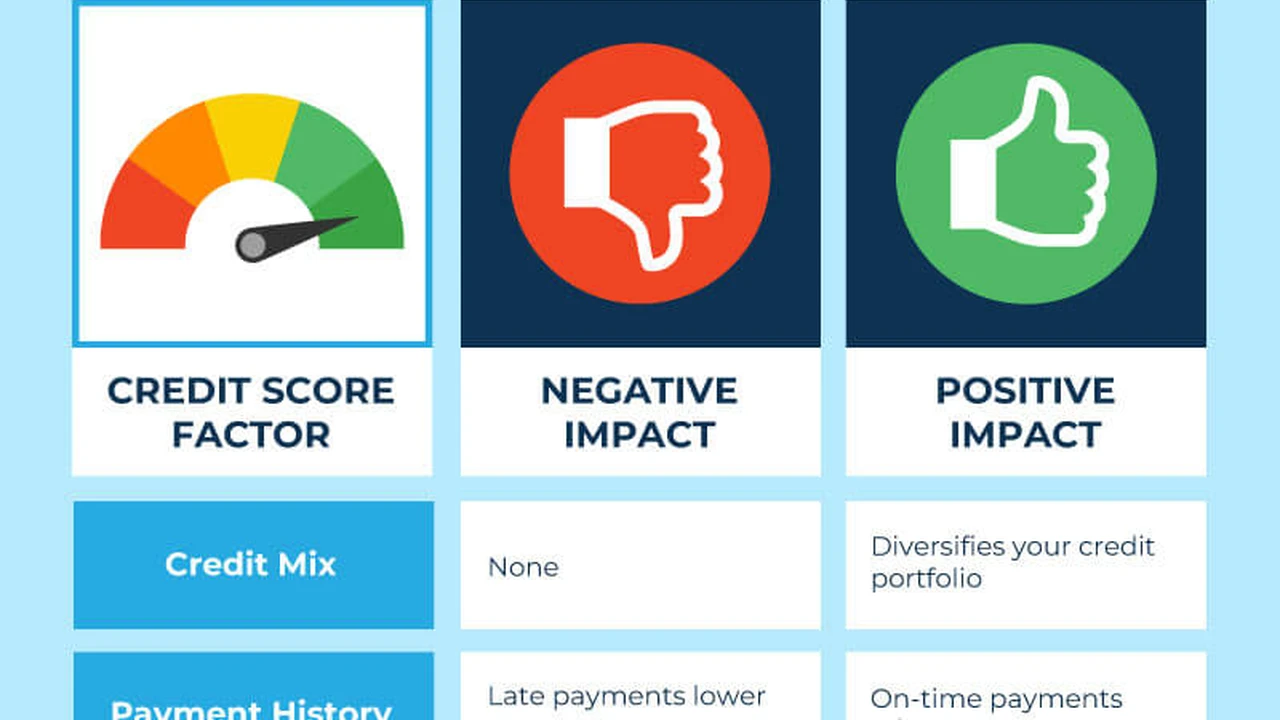
Your credit score plays a significant role in whether you'll be approved for a lease and what interest rate you'll receive. A higher credit score typically translates to better lease terms. Dealerships use your credit score to assess your risk as a borrower. If you have a low credit score, you may still be able to lease a car, but you'll likely pay a higher interest rate and may be required to make a larger down payment. Before you start shopping for a lease, check your credit score and address any issues that may be affecting it.
Car Lease Insurance Requirements: What You Need to Know
Leasing companies require you to maintain full coverage insurance on the leased vehicle. This typically includes liability, collision, and comprehensive coverage. The leasing company is the registered owner of the car, so they want to ensure their asset is protected. Before you lease a car, get quotes from your insurance company to understand how your insurance rates will be affected. In many cases, leasing will require higher coverage limits than if you owned the car outright.
Top Car Lease Deals and Recommendations: Specific Models and Scenarios
Okay, let's get to the fun part: specific car recommendations! Here are a few models that consistently offer attractive lease deals, along with scenarios where they might be a good fit:
Honda Civic Lease Deals: Fuel Efficiency and Reliability
The Honda Civic is a classic choice for a reason. It's fuel-efficient, reliable, and fun to drive. Lease deals on the Civic are often very competitive, making it a great option for budget-conscious drivers. It's perfect for commuting to work or running errands around town. A Civic LX lease might be around $250 - $300 per month with a small down payment. This is a great choice if you prioritize reliability and fuel economy.
BMW 3 Series Lease Deals: Luxury and Performance
If you're looking for a more luxurious driving experience, the BMW 3 Series is a fantastic choice. It offers a blend of performance, comfort, and style. Lease deals on the 3 Series can be attractive, especially if you're looking to upgrade your ride without a huge financial commitment. Imagine yourself cruising down the highway in a sleek BMW. A 330i lease might be in the $450 - $600 range, depending on the options and the current incentives. This is suitable if you want a premium driving experience with advanced technology.
Hyundai Kona Lease Deals: Compact SUV Versatility
Need a bit more space and versatility? The Hyundai Kona is a great compact SUV that offers plenty of features for the price. Lease deals on the Kona are often very affordable, making it a great option for young families or anyone who needs a bit more cargo space. It's perfect for weekend adventures or hauling groceries. A Kona SE lease can be found for around $200 - $275 per month. This is a good choice for city dwellers who need a small SUV that's easy to park and maneuver.
Comparing the Options: Civic vs 3 Series vs Kona
Let's break it down. The Civic is the most affordable option, offering excellent fuel economy and reliability. The 3 Series is the most luxurious and performance-oriented, but it comes with a higher price tag. The Kona offers a good balance of affordability, versatility, and features. Consider your needs and budget when making your decision.
Understanding Lease Prices and Market Variations
Lease prices can vary significantly depending on the dealership, your credit score, and the current market conditions. Dealerships often run special promotions and incentives, so it's important to shop around and compare offers. Also, be aware that lease prices can change from month to month. Keep an eye on interest rates and manufacturer incentives to find the best possible deal.
Returning a Leased Car: Avoiding Excess Wear and Tear Charges
When your lease is up, you'll need to return the car to the dealership. Before you do, make sure to clean it thoroughly and address any minor repairs. The leasing company will inspect the car for excess wear and tear, such as dents, scratches, and stains. You'll be charged for any damage that exceeds the allowable limits. To avoid these charges, take good care of the car during the lease term and address any minor issues as they arise.
Lease-End Options: Buying the Car or Leasing a New One
At the end of your lease, you have a few options. You can return the car and walk away, you can buy the car for the residual value, or you can lease a new car. If you love the car and it's in good condition, buying it might be a good option. If you're ready for something new, leasing another car is a great way to stay up-to-date with the latest technology and features. Consider your needs and financial situation when making your decision.
Car Leasing FAQs: Addressing Common Concerns
Still have questions about car leasing? Here are some frequently asked questions:
- Is leasing always cheaper than buying? Not always. It depends on the car, the lease terms, and your driving habits.
- What happens if I exceed the mileage limit? You'll be charged a per-mile fee.
- Can I get out of a lease early? Yes, but it can be expensive. You'll likely have to pay a penalty fee.
- What is a lease transfer? A lease transfer allows you to transfer your lease to another person.
Final Thoughts on Car Leasing: Is it Right for You?
Car leasing can be a great option for some people, but it's not for everyone. Consider your needs, budget, and driving habits before making a decision. Do your research, shop around for the best deals, and don't be afraid to negotiate. With the right knowledge and preparation, you can find a car lease that fits your lifestyle and budget.
:max_bytes(150000):strip_icc()/277019-baked-pork-chops-with-cream-of-mushroom-soup-DDMFS-beauty-4x3-BG-7505-5762b731cf30447d9cbbbbbf387beafa.jpg)