Understanding Car Lease Wear and Tear
What Constitutes Normal Wear and Tear on a Leased Car? A Detailed Guide
Alright, let's talk about something that stresses out a lot of people leasing cars: wear and tear. You're driving around, enjoying your ride, but in the back of your mind, you're wondering, "Is that scratch going to cost me a fortune when I return the car?" It's a valid concern. Basically, normal wear and tear is the inevitable decline of a vehicle's condition due to everyday use. It's the stuff that happens when you're just living your life and using your car as intended. Think of it as the difference between a car that's been driven and enjoyed, and one that's been abused and neglected.
Acceptable Wear and Tear Examples:
- Small Dings and Dents: Think door dings in parking lots. A few small ones are usually fine.
- Minor Scratches: The kind you get from brushing against bushes or the occasional rogue shopping cart.
- Slightly Worn Tires: As long as they meet the minimum tread depth requirements (we'll get to that!), you're usually good.
- Small Chips in the Windshield: Emphasis on small. A huge crack is a different story.
- Interior Wear: Things like slight fading of the upholstery or minor wear on the carpets.
Unacceptable Wear and Tear Examples:
- Large Dents: Think bigger than a few inches.
- Deep Scratches: Scratches that go down to the metal.
- Cracked or Chipped Windshield: Especially if it obstructs the driver's view.
- Excessive Tire Wear: Bald tires or tires with exposed cords.
- Interior Stains or Tears: Large, noticeable stains or rips in the upholstery.
- Missing Parts: Like hubcaps, mirrors, or other components.
- Mechanical Damage: Engine problems, transmission issues, etc.
Understanding Lease Agreement Guidelines for Vehicle Condition at Return
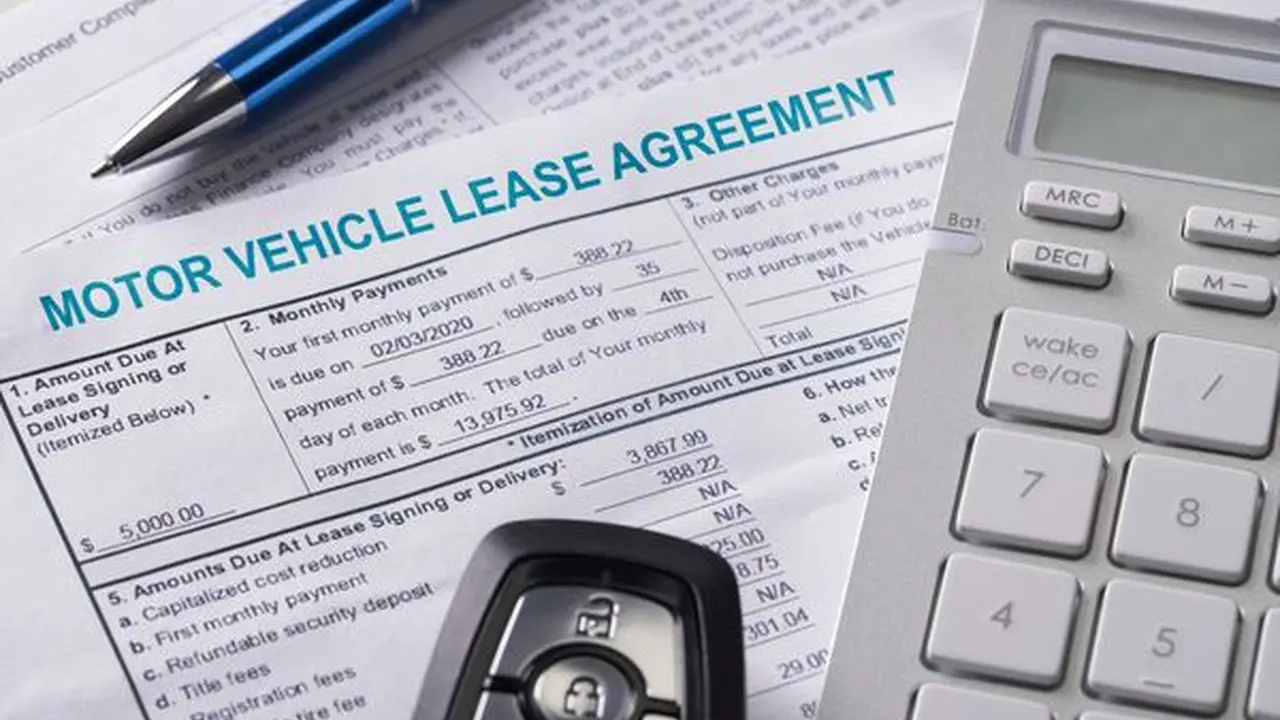
Your lease agreement is your bible here. Read it carefully! It will outline exactly what the leasing company considers acceptable and unacceptable wear and tear. These guidelines can vary slightly between companies, so knowing the specifics of your agreement is crucial. Look for sections that specifically address:
- Tire Tread Depth: Most leases specify a minimum tread depth requirement. They'll measure it in 32nds of an inch. If your tires are below that depth, you'll likely be charged for new ones.
- Acceptable Scratch and Dent Size: They'll often specify the maximum size (e.g., diameter) of acceptable scratches and dents. They might also limit the number of acceptable imperfections per panel.
- Windshield Damage: The agreement will usually state what type and size of windshield damage is acceptable.
- Interior Damage: They'll outline what constitutes excessive wear and tear to the interior.
Don't just skim through it! Take the time to understand the criteria. If something is unclear, ask the dealership or leasing company for clarification before you sign the agreement.
Tire Tread Depth and Lease Returns Ensuring Compliance
As mentioned earlier, tire tread depth is a big one. Most leases require a minimum tread depth of 4/32" of an inch. Here's how to check it:
- The Penny Test: Insert a penny upside down into the tire tread. If you can see all of Lincoln's head, your tires are worn and need to be replaced.
- Tire Tread Depth Gauge: These are inexpensive and readily available at auto parts stores. They provide a more accurate reading.
- Look for Tread Wear Indicators: Most tires have tread wear indicators built into the tread grooves. When the tread is worn down to the same level as these indicators, it's time for new tires.
If your tires are below the minimum tread depth required by your lease agreement, you'll have two options:
- Replace the Tires: This is the more expensive option, but it ensures you won't be charged for tire replacement at the lease return.
- Pay the Charge at Lease Return: The leasing company will charge you for the cost of replacing the tires. This might be more convenient in the short term, but it could end up being more expensive than replacing them yourself.
Pre-Inspection Checklist for Avoiding Surprise Charges on Your Leased Vehicle
A few months before your lease ends, give your car a thorough inspection. It's like a dress rehearsal for the official inspection. This will give you time to address any potential issues before you return the vehicle.
- Wash and Detail Your Car: A clean car makes it easier to spot imperfections.
- Inspect the Exterior: Look for dings, dents, scratches, and any other damage. Use a measuring tape to check the size of any imperfections against the guidelines in your lease agreement.
- Check the Tires: Measure the tread depth and look for any signs of damage.
- Inspect the Interior: Look for stains, tears, and any other damage.
- Check All the Equipment: Make sure all the lights, wipers, and other equipment are working properly.
If you find any issues that might be considered excessive wear and tear, consider getting them repaired before returning the vehicle. Small repairs can often be done for less than the charges you'll incur at lease return.
Professional Car Detailing Services and Their Role in Minimizing Wear and Tear Appearance
A professional detailing can work wonders! They can often remove minor scratches, repair small dents, and clean up interior stains. It's a worthwhile investment, especially if you're concerned about potential wear and tear charges. Look for detailers who specialize in lease return detailing. They'll know what to look for and how to address common issues.
DIY Car Repair Solutions for Minor Damages Before Lease Turn-In
For minor imperfections, you might be able to tackle the repairs yourself. There are numerous DIY repair kits available for scratches, dents, and interior stains. However, be realistic about your abilities. If you're not confident in your skills, it's best to leave it to the professionals. A poorly executed DIY repair can actually make the problem worse and end up costing you more in the long run.
Lease Wear and Tear Insurance: Is It Worth the Investment?
Some leasing companies offer wear and tear insurance. This insurance can cover the cost of certain types of damage that would normally be considered excessive wear and tear. Whether it's worth the investment depends on a few factors:
- Your Driving Habits: If you're a careful driver and tend to take good care of your car, you might not need it.
- Your Risk Tolerance: If you're risk-averse and want the peace of mind knowing that you're covered, it might be a good idea.
- The Cost of the Insurance: Compare the cost of the insurance to the potential cost of wear and tear charges.
Carefully weigh the pros and cons before making a decision.
Negotiating Wear and Tear Charges at Lease Return Strategies and Tips
Don't just accept the wear and tear charges at face value! You have the right to negotiate. Here are a few strategies:
- Document Everything: Take photos and videos of any damage before you return the vehicle.
- Get a Second Opinion: If you disagree with the leasing company's assessment, get a second opinion from an independent appraiser.
- Point Out Any Exclusions: Review your lease agreement carefully and point out any exclusions that might apply.
- Be Polite and Professional: A friendly and respectful attitude can go a long way.
- Consider Purchasing the Vehicle: If the wear and tear charges are high, it might be worth considering purchasing the vehicle at the end of the lease.
Understanding the End-of-Lease Inspection Process: What to Expect
The end-of-lease inspection is typically conducted by a third-party inspector hired by the leasing company. The inspector will thoroughly examine the vehicle and assess any wear and tear. You'll be given a report outlining any damage and the associated charges. Be present during the inspection so you can ask questions and point out any discrepancies.
Third-Party Lease Return Inspection Services: A Detailed Overview
As mentioned before, getting a third-party inspection before you return your vehicle can be a good idea. This gives you an unbiased assessment of the car's condition and allows you to address any potential issues before the official inspection.
Lease Extension Options: Avoiding Wear and Tear Concerns
If you're not ready to return your vehicle at the end of the lease, you might be able to extend the lease. This can give you more time to address any wear and tear issues or to save up for a new car. However, keep in mind that extending the lease will also extend your exposure to wear and tear.
Buying Out Your Lease: A Strategy to Bypass Wear and Tear Assessments
Buying out your lease is another way to avoid wear and tear charges. If you purchase the vehicle, you won't have to worry about returning it in perfect condition.
The Impact of Mileage on Wear and Tear Evaluations
Mileage is definitely a factor in wear and tear evaluations. Higher mileage vehicles are generally expected to have more wear and tear than lower mileage vehicles. If you've exceeded the mileage allowance in your lease agreement, you'll likely be charged a per-mile fee.
Recommended Products for Protecting Your Leased Car From Wear and Tear
Here are a few products that can help you protect your leased car from wear and tear:
- Car Covers: Protect your car from scratches, dents, and weather damage.
- Floor Mats: Protect your carpets from stains and wear. Consider heavy-duty all-weather mats.
- WeatherTech Floor Mats: These are custom-fit, laser-measured mats that provide excellent protection. They are more expensive (around $150-$200 for a set), but they are very durable and easy to clean. Great for areas with harsh winters.
- Husky Liners Floor Mats: Similar to WeatherTech, but often a bit more affordable (around $100-$150 for a set). They also offer good protection and are easy to clean.
- 3D MAXpider Floor Mats: These mats have a unique textured surface that provides excellent grip and helps contain spills. They are a good option for people who want a stylish and functional floor mat (around $120-$180 for a set).
- Universal Fit Floor Mats: These are the most affordable option (around $30-$50 for a set), but they don't provide as much protection as custom-fit mats. They may also require some trimming to fit properly.
- Seat Covers: Protect your seats from stains and wear.
- Leather Seat Covers: Offer a luxurious look and feel while protecting your original seats. Prices range from $200-$500 depending on the vehicle and material quality.
- Neoprene Seat Covers: Waterproof and durable, ideal for active lifestyles. Commonly used in trucks and SUVs. Expect to pay $150-$300.
- Cloth Seat Covers: A more budget-friendly option that still provides decent protection. Available in various colors and patterns. Price ranges from $50-$150.
- Paint Protection Film (PPF): A clear film that protects your car's paint from scratches and chips. This is a more expensive option, but it can be worth it if you're concerned about protecting your car's paint. Installation can cost anywhere from $500 to $2000+ depending on the coverage area.
- Dash Cam: A dash cam can help protect you from liability in case of an accident. This won't prevent wear and tear, but it can protect you from being wrongly blamed. Consider models like the Garmin Dash Cam 67W ($250) or the BlackVue DR900X ($450).
Comparing Different Car Protection Products and Their Price Points
(This section would expand on the product recommendations above, providing more detailed comparisons and price points. For example, comparing different brands of car covers, floor mats, and seat covers, highlighting their pros and cons, and providing estimated price ranges.)
Remember, taking good care of your leased car is the best way to avoid excessive wear and tear charges. Drive carefully, keep your car clean, and address any minor damage promptly. By following these tips, you can enjoy your lease without worrying about a big bill at the end.
:max_bytes(150000):strip_icc()/277019-baked-pork-chops-with-cream-of-mushroom-soup-DDMFS-beauty-4x3-BG-7505-5762b731cf30447d9cbbbbbf387beafa.jpg)