End of Lease Options: What to Do Next
Understanding Your End of Car Lease Choices Car Leasing Guide
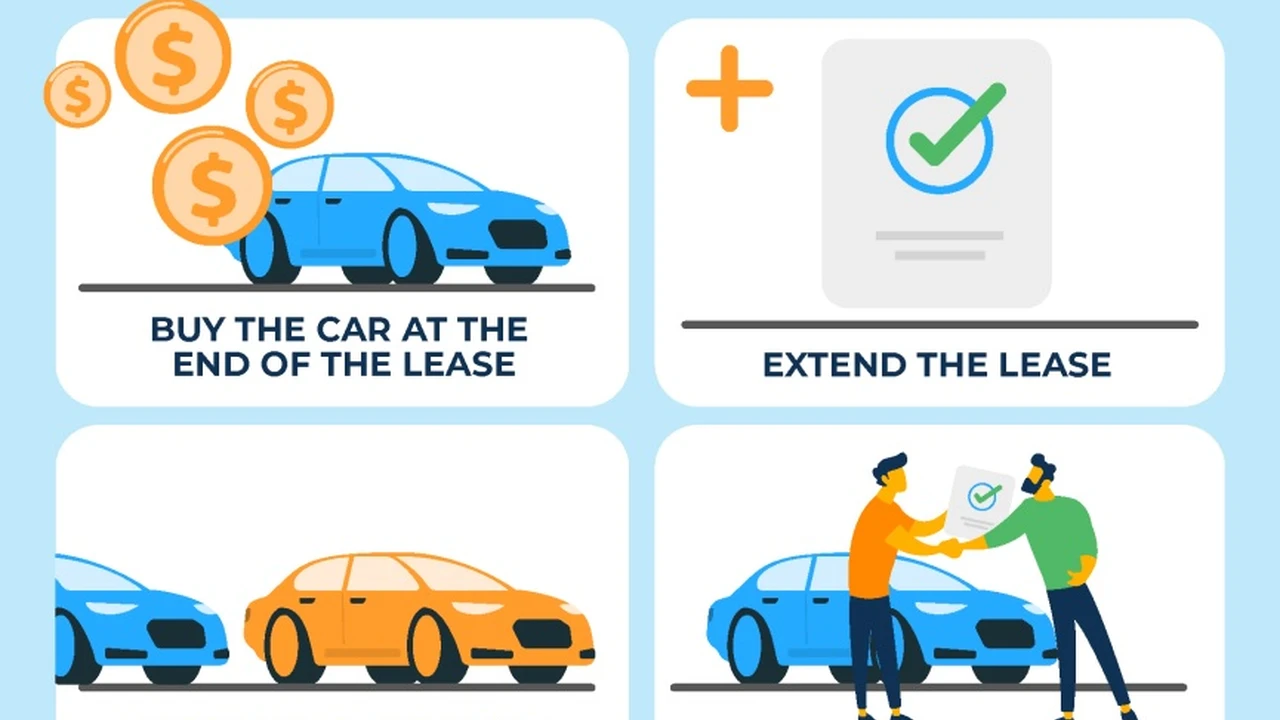
So, your car lease is coming to an end? Don't panic! It's a pretty common situation, and you have several options. Think of it like this: you've enjoyed driving a shiny, new(ish) car for a few years, and now it's decision time. Let's break down those choices in plain English, no confusing jargon.
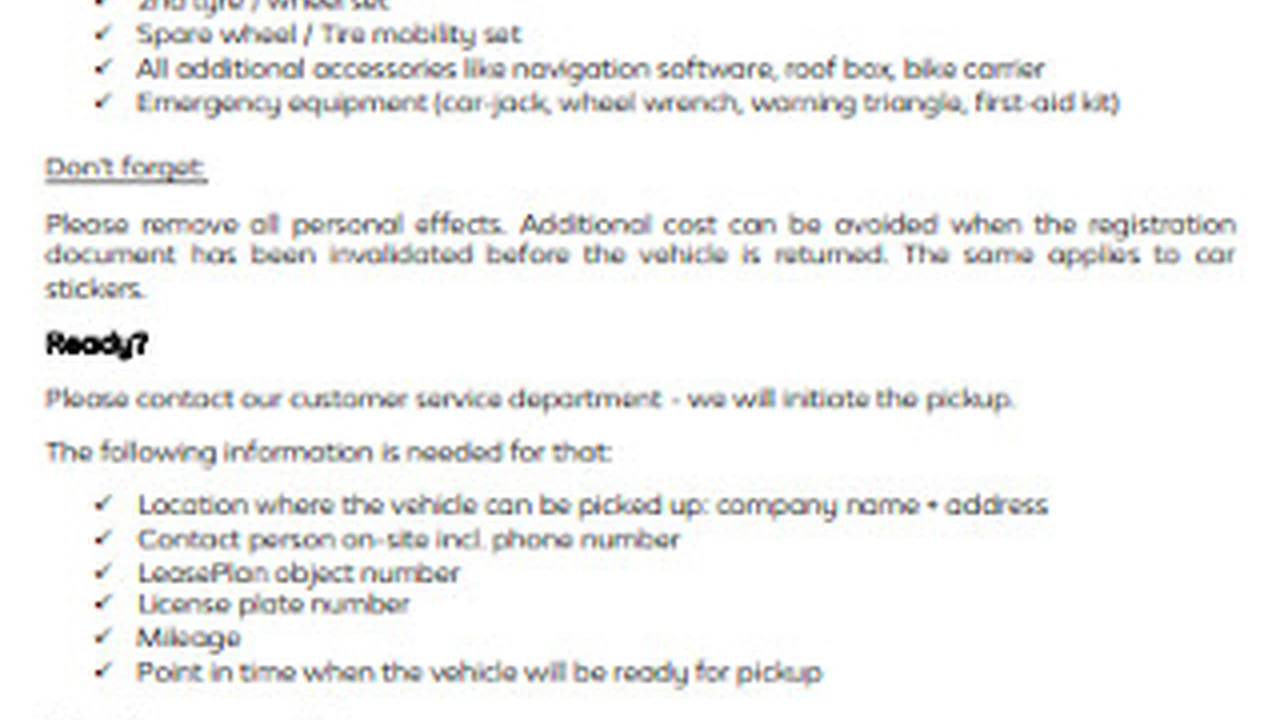
Option 1 Turn In Your Lease Vehicle and Walk Away Lease Return Process
This is the simplest option. You bring the car back to the dealership, hand over the keys, and that's it. Sounds easy, right? It mostly is, but there are a few things to keep in mind. First, you'll want to schedule a pre-inspection. The dealership will check for any excessive wear and tear, like scratches, dents, or worn tires. Anything beyond normal wear and tear, you'll likely have to pay for. Think of it as keeping a rental house in good condition. They'll likely look at things like:
- Tire tread depth (usually must be above a certain mm)
- Dents and scratches (size and number)
- Windshield cracks
- Interior stains and tears
- Missing equipment (like spare keys or floor mats)
It's always a good idea to get your own inspection done before the dealership's. That way, you can address any issues beforehand, potentially saving you money. You might be able to get minor repairs done cheaper at an independent shop.
Also, be aware of any disposition fees. These are fees charged by the leasing company for ending the lease. They're usually outlined in your lease agreement, so dig it out and take a look. Sometimes you can negotiate these fees, especially if you're leasing another car from the same dealership.
When to choose this option: If you're ready for a completely different car and don't want the hassle of buying your current lease.
Option 2 Buy Your Leased Vehicle Car Purchase Option Lease Buyout
Love your leased car? You can buy it! This is called a lease buyout. The price you'll pay is usually determined by the residual value of the car, which is also outlined in your lease agreement. The residual value is the estimated worth of the car at the end of the lease. Keep in mind, this is just an estimate. You'll want to do some research to see if the residual value is a fair price in the current market. Check sites like Kelley Blue Book (KBB) and Edmunds to get an idea of what similar cars are selling for.
Buying your lease can be a good option if:
- You've taken excellent care of the car.
- You're happy with the car and its performance.
- The buyout price is lower than the market value of similar cars.
- You want to avoid the hassle of finding a new car.
You'll also need to consider financing. Unless you have the cash to buy the car outright, you'll need to get a loan. Shop around for the best interest rates. Credit unions and online lenders often offer competitive rates.
When to choose this option: If you love your car, it's in good condition, and the buyout price is reasonable.
Option 3 Trade-In Your Leased Car Early Lease Termination Trade-In Value
Depending on your lease agreement and the current market, you might be able to trade in your leased car early. This means you use the car's trade-in value towards a new car. However, this can be tricky. You need to make sure the trade-in value is higher than the remaining balance on your lease. If it's not, you'll be "upside down" on the lease, meaning you owe more than the car is worth. This difference will need to be rolled into your new loan, increasing your monthly payments.
Trading in early can be beneficial if:
- The car's trade-in value is high.
- You want to get out of your lease early.
- You can find a good deal on a new car.
However, it's important to do your research and understand the numbers before making a decision. Get quotes from multiple dealerships and compare them carefully.
When to choose this option: If you want a new car and the trade-in value is favorable.
Specific Product Recommendations and Comparisons
Let’s say you're considering buying out your lease, and you're looking for options to improve your car or accessorize it. Here are a few recommendations, focusing on different needs and budgets.
Product 1 Michelin CrossClimate2 All-Weather Tires Tire Reviews Performance Testing Price Comparison
Use Case: If you live in an area with unpredictable weather – occasional snow, rain, and hot summers – the Michelin CrossClimate2 tires are an excellent choice. They offer exceptional grip in all conditions, making them a safer option than traditional all-season tires. They're also known for their long tread life.
Comparison: Compared to the Bridgestone Turanza QuietTrack, which are great for a comfortable and quiet ride, the CrossClimate2 prioritizes performance in challenging weather. While the Turanza QuietTrack might be slightly quieter, the CrossClimate2 provides superior traction in snow and rain. Another competitor is the Continental TrueContact Tour, which is a solid all-around tire, but the CrossClimate2 offers better winter performance.
Price: Expect to pay around $200-$350 per tire, depending on the size. Check online retailers like Tire Rack and Discount Tire for the best prices and promotions.
Product 2 WeatherTech Floor Mats Car Interior Protection Custom Fit Floor Liners Price
Use Case: WeatherTech floor mats are a must-have for anyone who wants to protect their car's interior from dirt, mud, and spills. They're custom-fit to your specific vehicle, providing excellent coverage and preventing messes from seeping into the carpet.
Comparison: Compared to Husky Liners, WeatherTech floor mats are generally considered to be slightly more durable and offer better coverage. Husky Liners are a good alternative if you're looking for a more budget-friendly option. Another option is the generic floor mats you can find at auto parts stores, but these typically don't fit as well and don't offer the same level of protection.
Price: A full set of WeatherTech floor mats (front and rear) will typically cost between $200 and $300. You can purchase them directly from WeatherTech or from online retailers like Amazon.
Product 3 Thinkware F200 Pro Dash Cam Car Security Accident Recording Video Quality Price
Use Case: A dash cam is a great way to protect yourself in case of an accident. The Thinkware F200 Pro records high-quality video, which can be used as evidence in insurance claims or legal proceedings. It also offers parking mode, which records video when your car is parked, providing an extra layer of security.
Comparison: Compared to the Garmin Dash Cam 67W, the Thinkware F200 Pro is generally more affordable and offers similar features. The Garmin might have slightly better video quality in low light, but the Thinkware is easier to install and use. Another option is the Rexing V1P Pro, which is a budget-friendly dash cam, but the video quality isn't as good as the Thinkware or Garmin.
Price: The Thinkware F200 Pro typically sells for around $100-$150. You can find it on Amazon and at other electronics retailers.
Product 4 Carlinkit 4.0 Wireless CarPlay Adapter Wireless Android Auto Connectivity Installation Price
Use Case: If your car has wired CarPlay or Android Auto, the Carlinkit 4.0 adapter allows you to connect wirelessly. This eliminates the need to plug in your phone every time you get in the car, making your driving experience more convenient.
Comparison: Compared to other wireless CarPlay adapters like the Ottocast U2-X, the Carlinkit 4.0 is generally considered to be more reliable and have fewer connectivity issues. The Ottocast U2-X is a decent alternative, but some users have reported occasional disconnections. There are also cheaper generic adapters available, but these often have compatibility issues and poor performance.
Price: The Carlinkit 4.0 typically costs around $80-$120. You can purchase it on Amazon and other online retailers. Make sure to check compatibility with your specific car model before buying.
Remember to always research and compare products thoroughly before making a purchase. Read reviews, watch videos, and consider your specific needs and budget. Happy driving!
:max_bytes(150000):strip_icc()/277019-baked-pork-chops-with-cream-of-mushroom-soup-DDMFS-beauty-4x3-BG-7505-5762b731cf30447d9cbbbbbf387beafa.jpg)